Comprehensive Landscape Maintenance Services for a Lush, Healthy Outdoor Space
Extensive landscape maintenance services hold an key role in maintaining flourishing outdoor spaces. These services incorporate critical elements like soil health, irrigation, and pest control. By focusing on these elements, landscapes can excel throughout the seasons. However, understanding the essential techniques and seasonal preparations required is necessary for achieving lasting results. Exploring these factors further reveals the strategies that can transform any garden into a lush and inviting haven.
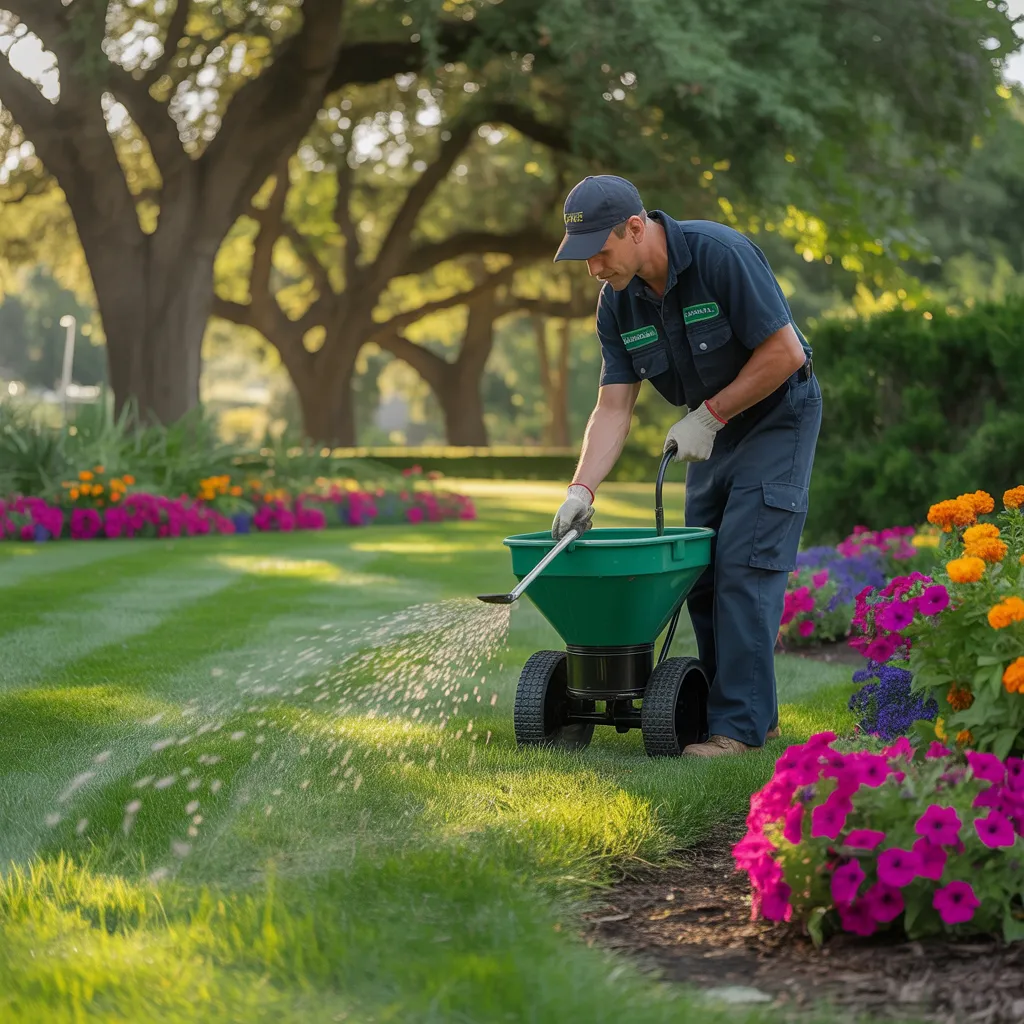
Soil Health's Role in Maintaining Landscapes
Soil health serves as the groundwork for effective landscape management, shaping plant growth and ecosystem stability. Healthy soil is abundant in organic matter, nutrients, and beneficial microorganisms, making certain that plants receive the important elements demanded for excellent development. This nutrient-loaded environment encourages robust root systems, improves water retention, and supports biodiversity, forming a thriving ecosystem.
Routine soil testing is crucial for identifying nutritional lacks and imbalances. This information allows landscape maintenance professionals to implement customized treatments, such as compost or plant nutrients, to revitalize earth vitality. Additionally, techniques like ground covering and protective planting can avoid erosion and enhance soil structure.
Additionally, sustaining soil pH within a correct range is important for nutrient uptake. By focusing on soil health, landscape maintenance services can establish resilient, sustainable outdoor spaces that not only encourage lush plant life but also enhance the overall ecological balance of the environment.
Tips for Watering Your Plants Properly?
Effective garden irrigation is vital for encouraging healthy vegetation development and preserving water resources. To achieve ideal results, gardeners should consider several techniques. Drip irrigation systems supply water directly to the roots, reducing evaporation and water loss. This approach is particularly effective for vegetable gardens and flower beds.
Sprinkler systems, whether stationary or oscillating, give expansive coverage and are ideal for larger areas. Timers can manage watering schedules, ensuring even moisture without overwatering. Additionally, mulching around plants helps preserve soil moisture, reducing the frequency of watering.
Monitoring soil moisture is essential; gardeners can use moisture meters to determine when watering is necessary. Early morning is the optimal time to irrigate, as it allows plants to take up water before the warmth of the day. By adopting these techniques, gardeners can maintain a lush, healthy garden while using water resources responsibly.
Pest Control Approaches for Optimal Landscape Care
Implementing robust pest control strategies is crucial for maintaining a thriving landscape. Effective pest management commences with regular monitoring to detect potential infestations early. Landscape professionals often employ integrated pest management (IPM) techniques, which merge biological, cultural, and mechanical methods to minimize chemical use. This approach encourages the use of beneficial insects, such as ladybugs and lacewings, which naturally control pest resource populations.
Additionally, appropriate plant choice and positioning can improve resistance to pests. Indigenous species, for instance, are often more hardy and attract helpful organisms. Routine upkeep methods, such as pruning and removing debris, also help minimize pest habitats. When necessary, targeted pesticide applications can be utilized, concentrating on the specific pest and minimizing impact on unintended organisms. By implementing these approaches, outdoor care professionals can establish a thriving outdoor space, ensuring plants remain vigorous and lively while effectively managing pest populations.
How to Ready Your Outdoor Space for Each Season?
Preparing a outdoor space for each season requires careful consideration and planning. In spring, it is essential to assess plant condition and begin trimming, adding mulch, and applying fertilizer to promote growth. Periodic flowers can be added for color and vibrancy.
As summer draws near, regular watering and pest control become essential. Turf maintenance, including mowing and aeration, ensures a vibrant appearance.
In autumn, focus shifts to removing leaves and readying plants for winter rest. Splitting perennial plants and sowing bulbs for spring blooms are effective approaches during this time.
Winter readiness focuses on safeguarding fragile vegetation from frost and snow. Applying mulch helps insulate roots, while trimming specific plants can avoid harm from ice.
Boost Your Street Presence With Expert Assistance
Revamping a outdoor space can significantly improve curb appeal, and enlisting professional help can make all the difference. Professionals possess the expertise to identify specific needs and distinctive features of a property. They can create customized plans that not only enhance visual appeal but also guarantee environmental sustainability.
Professional landscape designers use high-quality materials and advanced techniques, delivering a refined appearance that DIY approaches often fail to achieve. They are adept at selecting the right plants, implementing efficient watering solutions, and creating hardscapes that complement the overall design.
Moreover, regular maintenance services offered by professionals keep landscapes healthy throughout the seasons. This reliable care stops overgrowth and ensures that every element remains in prime condition. Ultimately, investing in professional landscaping services not only boosts curb appeal but also increases property value, making it a prudent choice for homeowners seeking to improve their outdoor spaces.

Frequently Asked Questions
How Regularly Should I Mow My Lawn for Optimal Health?
For optimal lawn health, it is generally recommended to mow once a week during the growing season. Adjust frequency based on growth speed, weather conditions, and grass type to maintain a healthy, vibrant lawn.
What Vegetation Are Ideal for Attracting Pollinators?
Butterflies and bees are drawn to natural flowering plants like coneflowers, milkweed, and black-eyed Susans. Additionally, herbs such as lavender and mint can boost pollinator behavior, establishing a thriving, constructive ecosystem in gardens.
How Might I Improve My Lawn's Drainage?
To enhance lawn drainage, one can loosen the earth, incorporate organic matter, install drainage systems, and confirm adequate grading. Frequent care and assessment will substantially improve water flow, encouraging a more robust lawn environment.
What Indicators Show Soil Compaction?
Signs of ground compression include inadequate water flow, standing water, diminished vegetation development, visible cracks in the soil surface, and trouble penetrating a garden fork or spade. Good quality soil should crumble easily and permit root expansion.
What's the Right Way to Choose Mulch for My Garden?
Determining the ideal ground cover demands copyrightining plant types, climate, and aesthetic preferences. Organic mulches strengthen soil health, while inorganic options deliver durability. Evaluating these factors guarantees ideal benefits for garden growth and maintenance.